Technology accelerates real-time health monitoring through interconnected devices, sensors, and cloud analytics. Wearables convert physiology into actionable signals, enabling early detection and timely interventions. AI and cloud platforms transform streaming data into clinical insights and support interoperability across care settings. Telemedicine and integrated care ecosystems expand access and coordination. As these tools evolve, workflows and patient engagement shift in meaningful ways, offering clearer paths to proactive management—yet questions remain about data governance, equity, and sustained impact.
What Technology Enables in Modern Health Monitoring
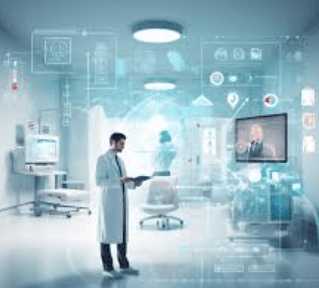
Technology enables continuous, real-time health monitoring through a network of interconnected devices, sensors, and cloud-based analytics. Systems aggregate diverse data streams for early detection, proactive care, and personalized insights. Privacy safeguards protect patient information while enabling legitimate access. Data interoperability ensures seamless exchange across platforms, enhancing decision support and care coordination, reducing delays, and supporting scalable, patient-centered health management in diverse settings.
Wearables and Sensors: From Data to Early Action
Wearables and sensors translate continuous streams of physiological data into actionable signals for clinicians and patients alike. They enable real-time monitoring, trend analysis, and early intervention, reducing delays in care.
Data privacy remains a priority as devices collect intimate health details. Transparent consent, robust encryption, and clear usage policies support patient engagement while maintaining trust and safeguarding sensitive information.
AI and Cloud Platforms: Turning Streams Into Clinical Insight
AI and cloud platforms enable the real-time consolidation of streaming health data into centralized, scalable insights. Systems integrate diverse sources, ensuring data interoperability while balancing AI governance and patient privacy. Real time analytics reveal trends, enabling rapid decision-making; model deployment scales with demand, yet cloud latency must remain minimal. This approach supports proactive care, without compromising security or clinician autonomy.
Telemedicine and Care Coordination: Linking Patients, Providers, and Ecosystems
Telemedicine and care coordination connect patients, providers, and care teams across multiple platforms to streamline assessments, consultations, and follow-ups. This approach quantifies telemedicine benefits through improved access, reduced travel, and timely decision-making, while care coordination ecosystem integration aligns services and data sharing.
Enhanced patient engagement supports proactive management, enabling scalable, patient-centered care under evolving workflows and policy landscapes.
Frequently Asked Questions
How Is Patient Privacy Protected Across Monitoring Technologies?
Privacy safeguards protect patient data through encryption, access controls, and anonymization, while data governance ensures role-based permissions and audit trails. This approach supports secure monitoring, maintaining autonomy and freedom for patients within compliant, transparent systems.
What Happens if Data From Wearables Is Inaccurate?
Inaccurate data from wearable sensors can mislead clinicians and patients, potentially triggering unnecessary interventions or missed warnings. Data accuracy hinges on validation and calibration; continuous monitoring should include cross-checks with reference measurements to preserve reliability and patient autonomy.
Can Monitoring Alerts Cause clinicianAlarm Fatigue, and How Mitigated?
Like a lighthouse in fog, monitoring alerts can cause clinician alarm fatigue, but proper alert management reduces it. Alarm fatigue remains a risk; structured triage, thresholds, and intelligent routing improve responsiveness and preserve clinician autonomy and patient safety.
How Accessible Are These Technologies for Underserved Communities?
Accessible healthcare technologies reach underserved communities unevenly, with progress tied to digital inclusion, affordable devices, and connectivity. Data governance safeguards patient privacy, while clinician workflow considerations ensure sustainable integration and scalable, equitable care.
What Are the Costs and Reimbursement Pathways for Monitoring Tools?
Whispers of cost models show wearable costs and reimbursement pathways shaping decisions; coverage options vary. The analysis maps payer frameworks, device pricing, and installation fees, noting transparency gaps and guidance needs to enable autonomous access across diverse communities.
See also: latestroyalnews
Conclusion
Technology-enabled monitoring turns disparate signals into timely, patient-centered action. Wearables translate physiology into actionable trends; AI and cloud platforms distill streams into actionable insights for clinicians. Telemedicine links patients with providers, enabling coordinated, proactive care across settings. The result is measurable: earlier interventions, reduced hospitalizations, and improved outcomes. As data flows expand and interoperability grows, the mental image is of a connected, responsive system where continuous insight guides personalized care—demonstrating a future in which monitoring directly supports healthier lives.